



“I noticed my daughter could never sit still, even during story time.
Her thoughts jumped from one idea to another, faster than she could speak.
Homework was a daily struggle, she’d start but rarely finish.
At school, teachers said she was “daydreaming” or “too active.”
But I saw a bright, curious child who just experienced the world differently. ”

 Signs You May Notice at Home

Milestone
Struggles to sit through meals or family activities.

Starts chores or homework but rarely finishes.
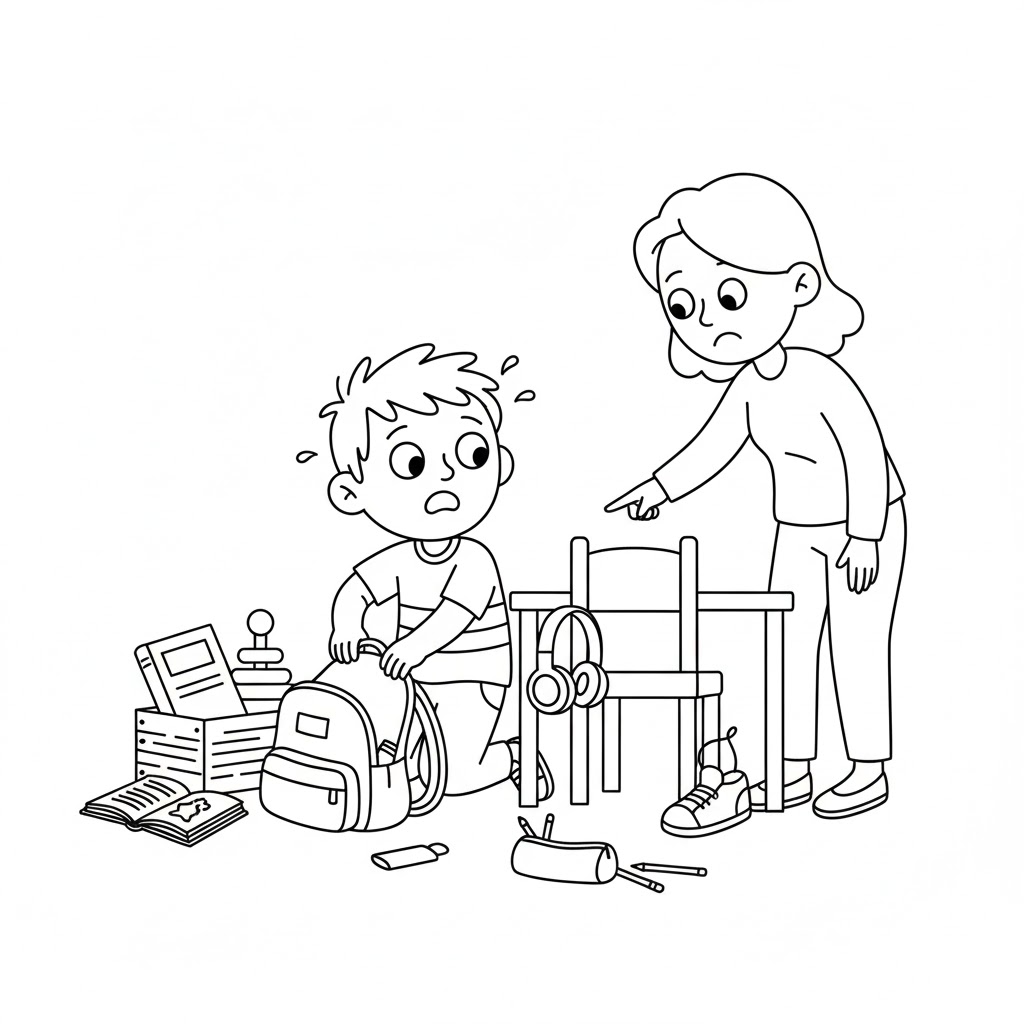
Loses toys, books, or belongings often.

Needs reminders for daily routines (getting dressed, brushing teeth).
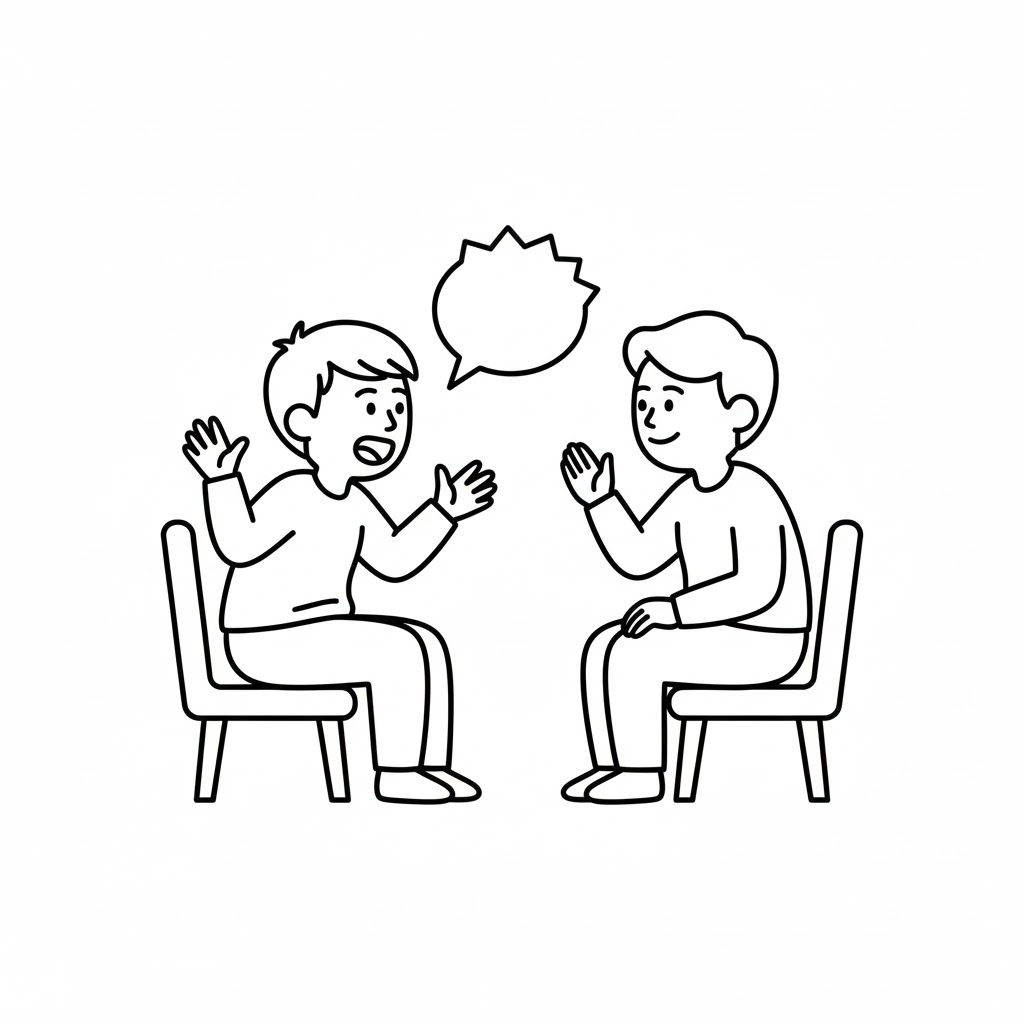
Talks a lot or interrupts conversations.
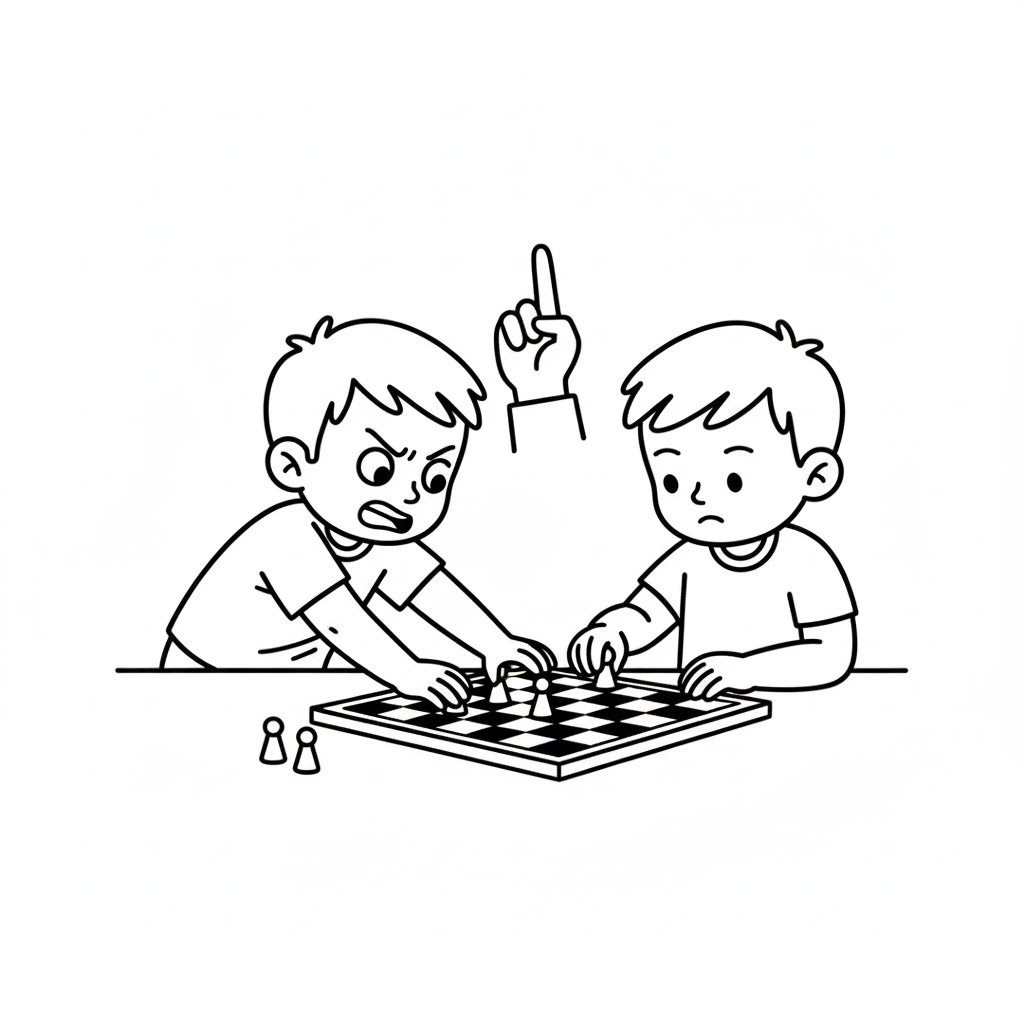
Has difficulty waiting for their turn during games.

At Jeevaniyam, we see beyond restlessness or inattention — we see a curious, energetic child with untapped potential. Our Jeevashakthi approach blends medical expertise, Ayurveda, and behavioral therapies to help children channel their energy, focus better, and thrive at school and home. With structured support, parent guidance, and holistic therapies, we turn challenges into opportunities for growth.
 Behavior Therapy
Strategies to improve attention, self-control, and reduce impulsivity.
Occupational Therapy
Activities to support self-regulation, planning, and motor coordination.
Sensory Integration Therapy
Helps children process sensory information and improve focus and regulation.
Speech & Language Therapy
Supports communication, expression, and language development.
ADL (Activities of Daily Living) Training
Teaches essential self-care skills like dressing, grooming, and hygiene.
Special Education
Tailored learning strategies to support cognitive, academic, and adaptive skills.
Counseling / Psychotherapy
Provides emotional support, CBT strategies, and family guidance.
Yoga
Calming practices to improve self-regulation, focus, and body awareness.
Music Therapy
Supports emotional connection, attention, and sensory engagement.
Modern Medicine Integration
Evidence-based assessments, diagnosis, and medical guidance to manage attention, hyperactivity, and impulsivity.
Ayurveda
Natural remedies to improve focus, calm hyperactivity, and support emotional and behavioral balance.
AI-Powered Tools
Engaging apps and digital tools for attention training, progress tracking, and therapy engagement.
Diet & Lifestyle Guidance
Personalized plans to enhance concentration, regulate sleep, and maintain energy levels.
Family Training & Support
Practical strategies for parents to manage routines, behaviors, and academic support at home and school.
Long-Term Care
Ongoing support to help children succeed academically, socially, and emotionally.
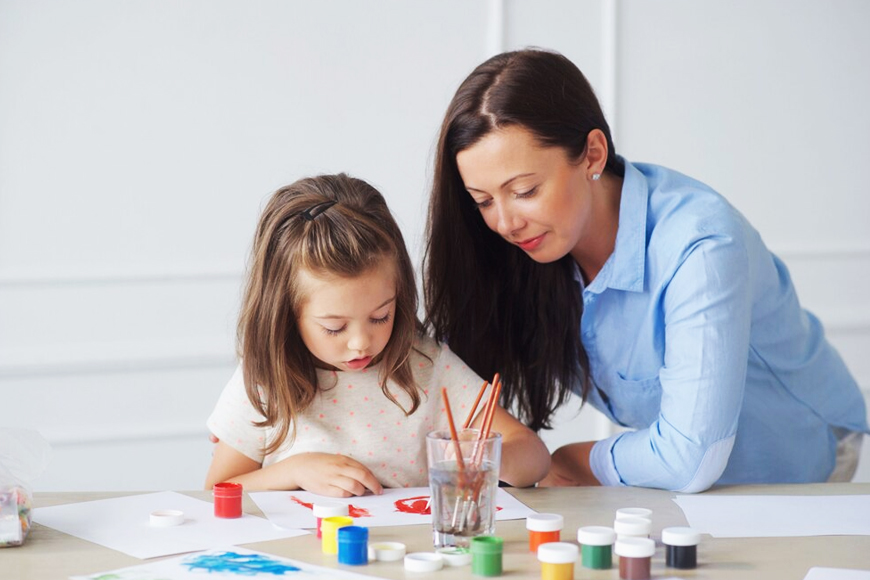
I noticed my child struggles to sit still, gets easily distracted, and often leaves tasks unfinished. Professionally, ADHD is characterized by inattention, hyperactivity, and impulsivity that interfere with daily life at home, school, or social settings. Consistent observation of these patterns across different environments helps determine whether a formal evaluation is needed. ADHD can be diagnosed by an expert professional like paediatric psychiatrist.
I worry that my child starts homework or chores but rarely finishes them. Children with ADHD often have difficulty sustaining attention and following through on tasks, but structured support, behavioral strategies, and therapy can significantly improve focus and task completion.
I see my child constantly fidgeting, moving around, or talking excessively. Hyperactivity in ADHD is due to differences in brain regulation of activity and impulses; therapy and structured routines can help channel this energy in positive ways.
I want to support my child without causing frustration or conflict. Professional guidance recommends consistent routines, positive reinforcement, parent-led strategies for attention and behavior, and coordination with teachers to provide structured, predictable environments.
I wonder if behavior therapy, occupational therapy, or other interventions will make a difference. Evidence-based therapies—including behavior therapy, occupational therapy, counseling, and structured skill-building—help children manage attention, impulsivity, and hyperactivity, improving academic performance, social skills, and daily functioning.
Inattention, hyperactivity and impulsiveness are the most characteristic features of ADHD
No. There is no single test to diagnose ADHD.
Autism and ADHD are different conditions with some overlapping. Chances are high if one condition is diagnosed, the other may also be present.
ADHD is not curable or can not be prevented. Early diagnosis and intervention can help the child lead a better-quality life.
Tackling the lack of concentration and hyperactivity? Let us tell you some good news. It is not always impossible to manage hyperactivity in a kid. A kid throwing a tantrum in public places is not exactly ADHD. It takes proper diagnosis before starting treatment. ADHD is considered a mental as well as a neurodevelopmental disorder that causes lack of attention, difficulty to concentrate and hyperactivity in children. In Ayurveda, we have a special approach towards ADHD. It is explained that the body and mind are interconnected and this relationship is implemented in treatment.
ADHD (Attention Deficit Hyperactivity Disorder)
ADHD is different from age-appropriate tantrums and other behavioural disorders, being the most prevalent mental disorder in children. It can also affect adults but in lesser numbers. There are many studies with multiple data, but it is estimated with a worldwide pooled prevalence of 5.3%. While the term Attention deficit hyperactivity disorder seems an urban disorder, the truth is that it affects mostly school-going children with boys affected three times more than girls. Hyperactivity, inattention and impulsivity are the three features generally attributed to ADHD
Proper diagnosis is crucial as the symptoms are not continuous in most cases. In many cases, it is confused with conditions like mental retardation, motor developmental disorders, ADHD associated with obesity or hypothyroidism.
Theoretically, every hyperactive disease falls under the category, “unmada” in Ayurveda. Almost all the symptoms of ADHD can be compared with signs of unmada with Vaata-Pitta vitiation. But to our surprise, many formulations like ghrita and treatments like snehapaana do not give the expected results in many children with ADHD. Every case should be evaluated personally by the physician to assess the stage of Doshas affecting both body and mind. This is highly variable and has a lot many permutations and combinations.
Even two children showing similar signs like hyperactivity, the vitiated doshas and their measures can be different. Medicines and treatment should be done accordingly, different for certain. This is why a wonder drug is not always working for every child with ADHD. Many cases are found to be associated with toxic metabolic wastes, mentioned as Aama in Ayurvedic classic textbooks. The presence of this Aama causes a different way of pathogenesis and the treatment approach is also different from Vaata-Pitta unmada treatment. It is always important to elicit the presence of Aama in cases of ADHD like:
While managing ADHD it is important to assess the presence or absence of Aama. The line of treatment is different in both conditions. At Jeevaniyam, we use Ayurveda medicines, treatment procedures, diet & lifestyle modifications, along with Yoga and other needed therapies. Ayurveda utilizes the person's innate ability to balance its functions naturally. It will be done with medicines and procedure-based therapies during admitted treatment. It is equally important to get hold of the child's diet habits and lifestyle healthily, too.
These include various formulations like decoctions (kashayam), fermented sweet herbal liquids (arishta or asava), medicated ghee (gritham), herbal powders (churna), and others. Various herbal combinations of each formulation can be used depending upon the individual need. For example, many decoctions like varavisaladi kashayam, guduchyadi kashayam, lodhramsevyadi kashayam, and drakshadi kashayam are indicated in ADHD.
But not all these are to be used in a single child together. It depends upon many factors like vitiated dosha, age, season, the strength of the child, place of living, body constitution, digestive power etc. The medicine will not be the same always for the same child. It is decided after a detailed evaluation at the hospital in a customised manner and regular follow up is needed. In most cases, a specially formulated ghee preparation processed with herbs that boost brain functions (medhya ghrtam) is found beneficial.
these are the treatment procedures done during the admitted course in the hospital. There are many therapies indicated in ADHD like the continuous and rhythmic pouring of medicated liquids on the head or body (dhaara). It can be processed milk or sesame oil. Dhaara gives relaxation and a feeling of contentment. It helps reduce irritability, anger and restlessness. But there are conditions where this procedure is not suitable. In such cases, this may cause mild discomforts like cold, running nose or headache. So, this should be done as in house therapy under the guidance and supervision of a qualified Ayurveda doctor only.
There are other therapies like oil massage(abhyangam), oil enema (matra vasti), various modes of application of medicated oils on the head (sirovasti, siropichu etc), leg massage, and therapeutic purgation. Each of them has indications and contraindications. As the child with ADHD may present with a wide range of physical conditions, therapies to be implemented should be done in a customised approach. The combination of internal medicines and treatment procedures to be used for each child can be decided only after proper evaluation and close monitoring.
In most cases with Aama, ADHD shows associated signs of vitiated Kapha. The initial line of treatment should be to remove this Aama or excess & vitiated Kapha that causing obstruction in channels of the body, thus leading to defective circulation. Digestion or Agni will be less or deranged in an irregular way in most of such cases. Toxic metabolic wastes are formed in the GIT as a result of this defective digestion process. Removing this Aama or metabolic waste from the system and preventing its further formation are equally important in the treatment. It is done by internal medicines, procedure-based therapies, diet modifications, lifestyle modifications and other needed therapies like Yoga.
There are decoctions, fermented sweet liquids, herbal powders, tablets and other formulations used as well. But the combination and action are entirely different from those used in cases without Aama. Here medicines target enhancing the digestive fire (Agni) thereby removing Aama or metabolic toxins from the body and by correcting the assimilation process, the build-up of further Aama is prevented. Even medicines like pachanamrutham kashayam for fever with Aama to enhance Agni is beneficial in such cases. Other formulations like Ashtachurnam, rajanyadi churnam, vilwad gulika etc. are also used according to individual needs. In some cases, even detoxification will be needed along with improving digestion.
The main difference is observed in the application of medicated oils and ghee preparations. On the contrary to ADHD without Aama, here most therapies are drying up (rukshana). Application of herbal paste on head (sirolepa) is found useful in the initial stages. Dhaara is mostly done with medicated buttermilk (takradhara) and not oil or milk. Body massage is done with appropriate herbal powders(udwartana). Also, fumigation of the child’s room and premises with volatile herbs are found beneficial.
Frequent therapeutic purgation is done with close monitoring. It is very important to evaluate the child with ADHD in a proper scientific manner to assess the individual condition. Medicines and therapies can be decided only in a customised way. Regular checkups and follow up are needed for long term results under the guidance of an Ayurveda physician. As the disease can be severe even with mild triggers, it takes proper care and the teamwork of the doctor, therapeutics and parents.


 About Us