

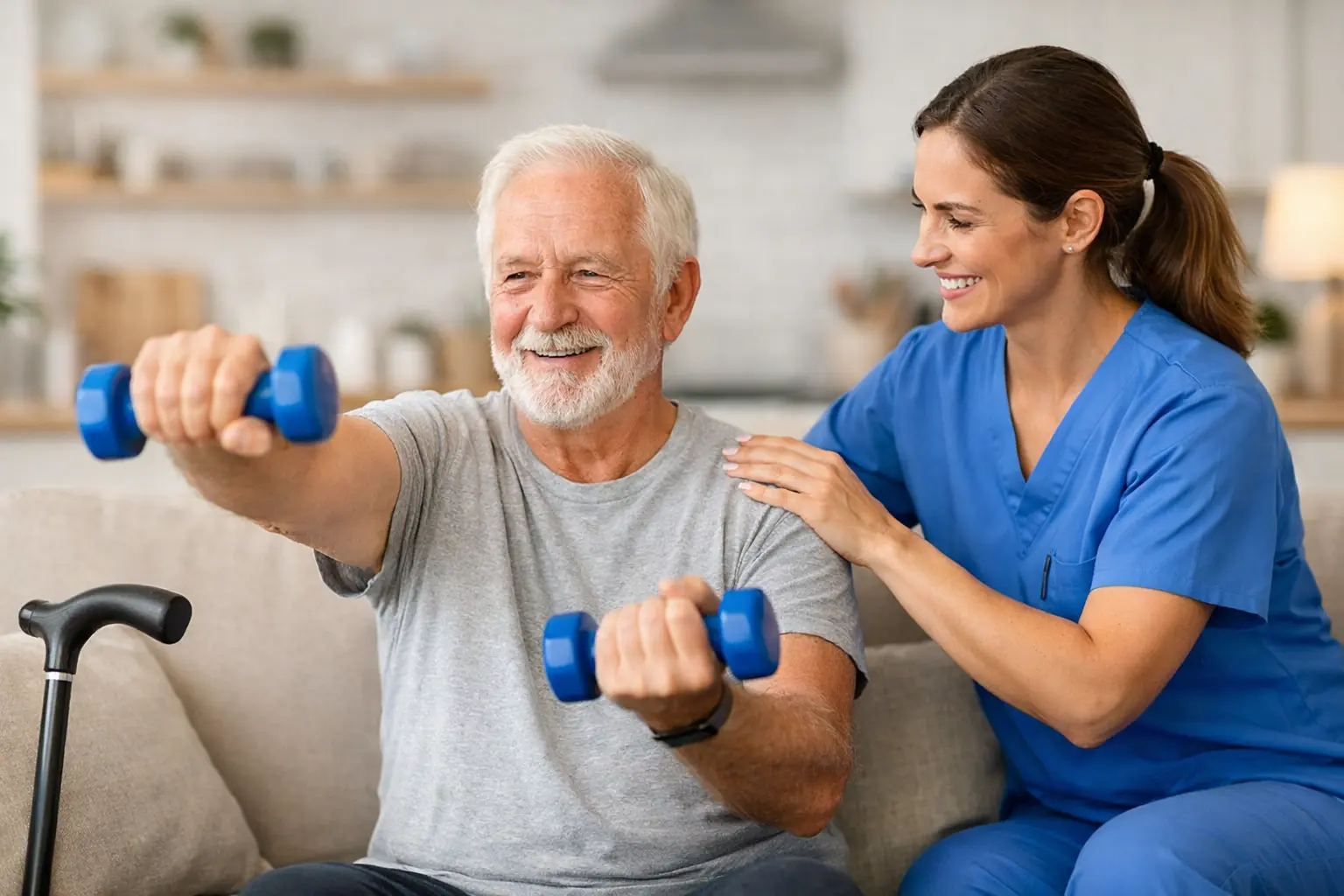
A stroke is a major neurological event that fundamentally alters a patient’s life in an instant. For the survivor, the immediate experience is often one of physical limitation, sensory confusion, or cognitive fatigue. For the family, it initiates a complex, demanding journey through acute medical care, stabilization, and the long-term process of neurorehabilitation. Once the initial hospital phase concludes, patients and families are often left with uncertainty, as they are told the crisis is over, but the path to functional recovery feels undefined. In Kochi, many families are turning to integrative models, which combine modern diagnostics with established methods of Ayurveda. These approaches aim to connect different systems of care and focus on measurable, patient-centered outcomes. This path provides a more comprehensive framework for those seeking to regain their strength, independence, and overall quality of life while ensuring that every stage of the healing journey is supported by professional expertise and careful clinical monitoring.
Recovery after a stroke is rarely simple. It depends on the complex biological process of neuroplasticity. The brain can rewire itself and build new neural connections to bypass damaged areas, allowing the brain to learn how to function again. But such biological repair is fundamentally energy-intensive and requires a body to be systemically optimized to support such demanding cellular work. If we view the human body as an interconnected network, modern medicine excels at managing the acute stroke crisis. Ayurveda, conversely, excels at maintaining the long-term stability of the entire network. Thus, sustainable recovery is about how well the body manages systemic inflammation, peripheral circulation, and the metabolic health required to effectively power the brain’s repair mechanisms.
In Ayurveda, we classify the physiological disruptions following a stroke as a severe imbalance of Vata Dosha. Vata is the regulatory force governing all nerve impulses, muscle contractions, and fluid circulation. When Vata becomes erratic or blocked, the body loses its ability to coordinate movement or interpret sensory data correctly.
Our objective is to restore this regulatory balance. We do not look for a generic solution. We assess the patient’s Prakriti (their inherent constitution) and the specific nature of their injury. By clearing Srotas (the body’s micro-channels), we aim to ensure that blood and oxygen reach the tissues efficiently, providing the foundational support necessary for the brain to attempt its own repair.
When patients seek stroke rehabilitation treatment in Kochi, they require more than just physiotherapy exercises. They need a comprehensive, evidence-informed protocol that accounts for the reality of living with a neurological injury. The integrative process is typically structured around four key pillars:
The brain often remains trapped in chronic sympathetic activation after a stroke, a fight-or-flight state that directly hinders your biological healing process. Procedures like Shirodhara, the steady, rhythmic pouring of warm, medicated oils onto the forehead, are not merely for relaxation. These are focused clinical interventions designed to signal your central nervous system to enter a parasympathetic, restorative state. By actively lowering your systemic stress levels, the aim is to ensure your mind remains calm, which makes the grueling physical effort required for effective rehabilitation significantly easier to manage.
Spasticity, or chronic muscle stiffness, remains a major hurdle during recovery. Abhyanga, a form of deep therapeutic massage, is used not as a luxury service, but as a mechanical method to improve essential blood flow in your affected limbs. Following this, Pinda Swedana involves the application of hot, medicated herbal poultices to deliver concentrated, heated nutrition directly into your stiffened muscle tissue. This approach is vital to maintain your full range of motion, improve circulation, and prevent the secondary complications of muscle atrophy that often follow long periods of inactivity.
In cases of severe neurological imbalance, oral medications frequently fail because of the patient’s limited digestive capacity. Basti, or specialized medicated cleansing, serves as a critical tool for neurological recovery. By delivering specific herbal preparations directly into the lower gastrointestinal tract, a greater and more immediate impact on the nervous system can be achieved. This targeted, clinical procedure addresses the root of your underlying imbalance from its source, rather than relying solely on a compromised digestive system to process the medicinal compounds required for your neurological repair.
Your Agni, or digestive fire, is frequently diminished following a stroke. If your body struggles to digest basic food, it simply cannot support the energy-intensive process of neurological repair. A strict, recovery-focused diet that prioritizes high bioavailability is essential so that you can absorb the necessary nutrients for tissue repair without overloading your digestive system. By keeping your digestion efficient and your metabolic load light, we ensure your body spends its finite resources on healing damaged neural pathways and restoring muscle function rather than wasting energy on complex, difficult digestion.
Patients recovering from stroke are typically under the care of a neurologist and a primary care physician. Integrative protocols for stroke rehabilitation in Ayurveda are designed to be explicitly complementary to ongoing medical treatment. Here, care is not provided in isolation. It is coordinated with the patient’s existing medical team, with careful attention to clinical status, including the use of blood thinners and other maintenance medications. With this coordinated strategy, traditional therapies are safely incorporated with modern medical management. It also encourages overall recovery without reducing the needed pharmacological treatment. Environmental factors in Kerala, such as high humidity and seasonal temperature changes, might affect the patient’s physiological stability during recovery. Rehabilitation environments are designed to minimize these variations. This creates a more controlled environment that supports sustained neurological and functional improvement.
Recovery is a long-term process that requires perseverance, discipline, and a good support system. If you expect an easy path, you are mistaken, as neurological healing needs a focused, ongoing approach. Success depends entirely on your willingness to engage with each step of the recovery process.
By integrating consistent therapy with a structured home-care environment, you create the most effective conditions for sustained neurological progress.
Recovery is a long-term commitment that requires a great deal of persistence. At Jeevaniyam Medipolis, we provide the expertise, the clinical environment, and the traditional tools. We have seen that when patients commit to this integrated approach, the outcomes in function, independence, and overall quality of life are markedly improved. For anyone pursuing professional neurorehabilitation in Kerala, we invite you to meet with our clinical team. We will review your condition, examine your past outcomes, and create a plan that is based on science and practical for your daily life. Our dedicated professionals prioritize your long-term health and functional goals above all else, ensuring that every therapy session is precisely aligned with your unique recovery path. Visit us at Jeevaniyam Medipolis to learn more about our specific approach and how we can assist in your recovery journey.


 About Us


