



"Every morning was a struggle, the sound of the blender made my son cover his ears and cry, the feel of certain clothes made him refuse to get dressed, and even a gentle hug sometimes felt “too much” for him. At first, I thought he was just being fussy, but deep down I knew it was different. That’s when I learned about Sensory Processing Disorder - his brain was simply processing everyday sights, sounds, and touches in a way that felt overwhelming."

 Signs of Sensory Processing Difficulties You May Notice at Home

Covers ears to normal household sounds (vacuum, blender, pressure cooker). Gets upset in noisy places like markets, parties, or classrooms. May not notice when spoken to (under-responsive).

Refuses certain clothes because of fabric, tags, or seams. Dislikes bathing, haircuts, nail trimming, or tooth brushing. Avoids messy play (sand, paint, clay) OR seeks too much touch (keeps touching people/objects).

Very picky eater — avoids foods by texture, smell, or look. Gags easily with certain foods. Craves very strong flavors (spicy, crunchy, sour).

Bothered by bright lights or moving visuals (like fans, rotating toys). May stare at spinning objects or lights for long periods.

Afraid of swings, slides, or climbing (avoids playground). OR constantly seeks movement — running, spinning, jumping non-stop. Appears clumsy, bumps into things, or falls often.
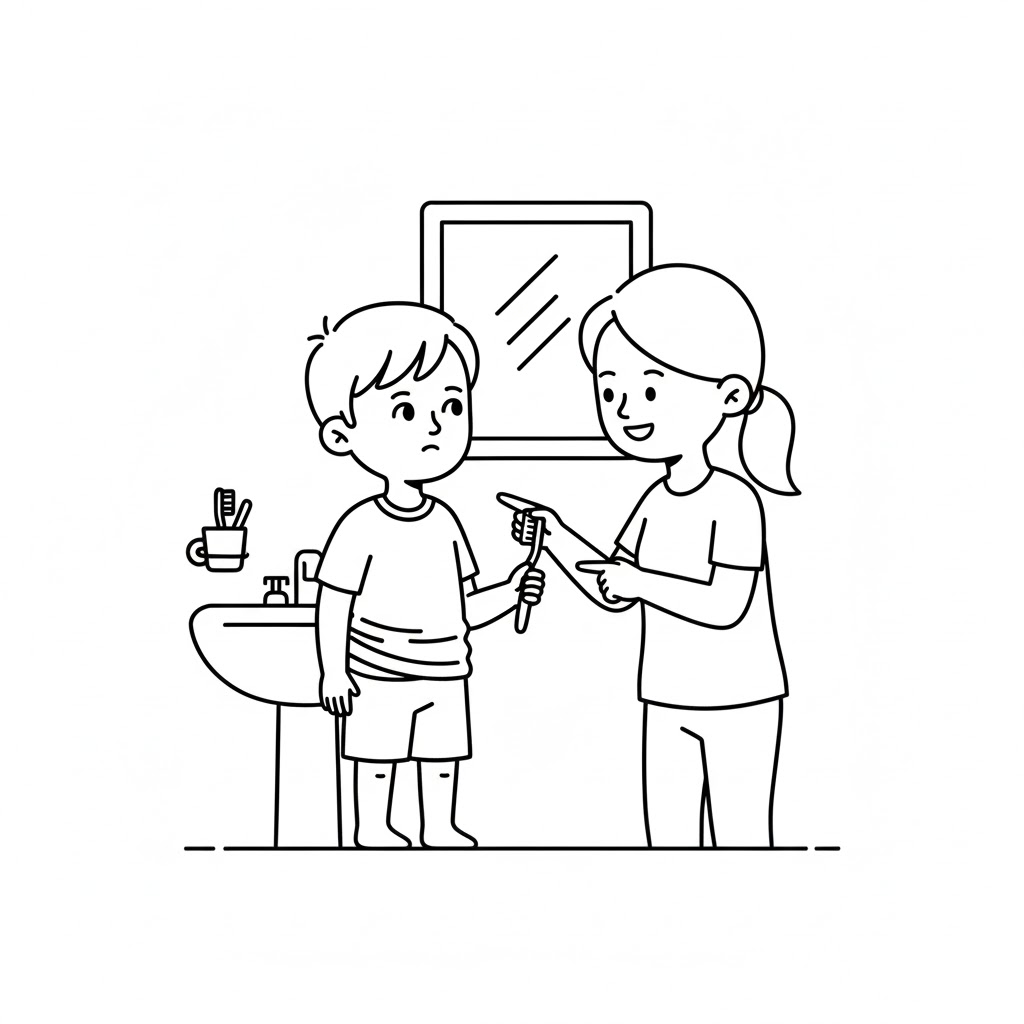
Meltdowns during dressing, bathing, or grooming. Struggles with transitions (moving from one activity to another). Gets easily overwhelmed in crowded or new environments.

At Jeevaniyam, we know that sounds, textures, or lights can feel overwhelming. The Jeevashakthi approach combines sensory integration therapy, Ayurveda to calm the nervous system, yoga and breathing for regulation, AI-based tracking for sensory responses, and family training. Together, we help children adapt to the world with confidence and comfort.
 Sensory Integration Therapy
Structured activities to improve processing and modulation of sensory input (touch, sound, movement, taste, sight, and proprioception).
Occupational Therapy
Targeted exercises to enhance motor planning, coordination, and adaptive responses to sensory stimuli.
Physiotherapy
Activities to improve balance, posture, and motor coordination in conjunction with sensory integration.
Speech & Language Therapy
Support for children whose sensory sensitivities affect oral-motor skills, speech, or feeding.
Cognitive-Behavioral Therapy (CBT)
Strategies to manage anxiety, emotional responses, and frustration triggered by sensory overload.
Music & Rhythm Therapy
Using rhythm, sound, and music to improve auditory processing and self-regulation.
Yoga & Relaxation Techniques
Mindfulness, deep breathing, and movement exercises to promote calmness, body awareness, and focus.
Adaptive Physical Education / Movement Therapy
Activities designed to safely expose children to sensory stimuli and improve coordination and confidence.
Family Training & Support
Practical strategies for home and school, sensory-friendly routines, and environmental adaptations.
Long-Term Care
Ongoing support to help children adapt to sensory demands, improve self-regulation, and participate confidently in daily life, school, and social activities.
Modern Medicine Integration
Comprehensive assessments for sensory challenges, including evaluation of neurological, developmental, and co-occurring conditions.
Ayurveda
Calming and balancing therapies to regulate the nervous system, reduce anxiety, and improve attention.

SPD occurs when the brain struggles to process sensory input like touch, sound, sight, taste, smell, or movement. Signs include over- or under-reacting to stimuli, avoiding certain textures, being overly sensitive to sounds, or seeking excessive movement.
SPD is linked to differences in how the nervous system processes sensory information. It is not caused by laziness or poor parenting. Genetics, early brain development, or prenatal factors may contribute.
Children with SPD may struggle with grooming, dressing, eating, handwriting, playground activities, school participation, and social interaction. They can have meltdowns during everyday routines or feel overwhelmed in noisy or crowded environments.
A multidisciplinary approach works best: sensory integration therapy, occupational therapy, physiotherapy, yoga, cognitive-behavioral therapy, music therapy, adaptive physical education, and speech therapy for oral-motor challenges. Family support and environmental adaptations are also crucial.
Jeevaniyam’s Jeevashakthi approach combines medical assessment, Ayurveda, sensory integration therapy, yoga and relaxation techniques, AI-based tracking, and family training. We focus on helping children adapt to sensory challenges, improve self-regulation, and participate confidently in school, home, and social activities.
Yes, with early detection of symptoms and an effective combination of therapies, children recover from this condition very early.
The duration of the treatment depends on multiple factors, such as the severity of the condition and the child’s response to the treatment provided by us.
We combine our ayurvedic expertise with sensory integration therapy and occupational therapy to offer complete care for children.
Parents can support immensely by following the guidelines at home. Active participation from their side, including constant encouragement, can bring positive outcomes.
The earlier the better. Parents can consult experts at Jeevaniyam as soon as they notice sensory concerns, even in toddlers.
Sensory Processing Disorder, also known as SPD, is a neurological condition where the brain fails to receive, interpret and respond to sensory information from the environment. There are mainly three patterns of SPD - Sensory Modulation Disorder, Sensory Discrimination Disorder, and Sensory-Based Motor Disorder.
Children with Sensory Discrimination Disorder struggle to differentiate between sensory inputs, whereas a child with Sensory Modulation Disorder will react too much or too little. The lack of balance, coordination, and movement affects a child with Sensory -Based Motor Disorder.
At Jeevaniyam Medipolis, our sensory processing disorder treatment in Kochi, Kerala, is widely regarded as one of the best in the state. Ours is a distinguished and effective way of treatment by combining time-tested Ayurveda with modern therapeutic approaches.
Even though the exact cause of SPD is yet unknown, there are many factors that lead to this condition. The brain’s processing capacity for sensory input will be different for those affected by this ailment, and this is considered a primary reason. Children who are born prematurely or underweight are more prone to SPD compared to others. Early childhood exposure to stress, infections, and toxins can also be reasons for the ailment.
SPD is also likely to affect children born in families where there was an earlier case of neurological conditions. The condition is commonly treated and observed alongside other developmental disorders, such as autism spectrum disorder, ADHD or learning disabilities. Limited sensory experiences and other such environmental issues during early childhood also result in SPD.
At Jeevaniyam Medipolis, we start our treatment plan after understanding the root cause. This helps us to develop a plan that is customisable for every child. Our Jeevanshakthi approach, which proves to be effective in the course of time, removes the root cause rather than just the symptoms.
Timely intervention and treatment reduce the intensity of SPD. This is why it is important to closely watch early signs/ symptoms. An unusual reaction to everyday stimuli is one of the major signs. From closing their ears to normal sound to avoiding certain clothing textures, children with SPD may show these signs that are too risky to ignore. Some children will be uncomfortable in crowded environments. Constantly touching objects and displaying a high pain tolerance is also a cause of worry.
Sensory issues can also be detected if the child is having crawling, walking, or coordination problems. Parents should monitor whether the child is having difficulty focusing or faces challenges in transitioning between activities. The social interaction of the child should also be monitored to check whether they are reacting appropriately to sensory cues in the environment.
Results will be different, and the condition can be improved significantly if it is detected early. This is what we at the trusted child development centre in Kochi, Jeevaniyam Medipolis do. We aim to improve the developmental outcome for every child and the quality of their lives.
At Jeevanam Medipolis, we understand that the experiences of every child suffering from SPD will be different. This is why we offer personalised solutions after understanding their needs and requirements. We aim to support each child’s development journey by offering emotional support and overall well-being.
We have our own way of combining Ayurveda treatment for SPD with modern therapies here at Jeevaniyam, popularly known as the Jeevanshakthi approach. The body’s internal energies (doshas) can be balanced properly with Ayurveda. From improving the nervous system function to enhancing overall well-being, Ayurvedic treatment plans will be effective. Our therapies and specialised herbal formulations will make the nervous system calm and improve sensory regulation.
We include modern therapeutic techniques alongside Ayurveda for an effective, rapid progression. Our sensory integration therapy and occupational therapy make sure children receive total care, covering both psychological and behavioural aspects of SPD.
We include Physiotherapy, Speech and Language therapy, Cognitive Behavioural Therapy, Music and Rhythm therapy, Yoga and relaxation techniques and many more as part of our process of bringing the child back to their full potential, both physically and emotionally.
A detailed assessment is carried out for every child who comes to Jeevaniyam for treatment. We evaluate their sensory responses, motor skills and behavioural patterns so that a personalised treatment plan can be recommended for them.
We make sure not to provide the same treatment for children facing different difficulties. Treatment plans are customised based on certain criteria, such as the age of the child and the severity of the condition. We also use AI -based tracking to monitor the progress and adjust the treatment according to it.
We at Jeevaniyam Medipolis are keen on keeping track of the daily progress of the child. We monitor even the minute progress closely. The key developmental indicators include
We prioritise transparency, along with providing treatment for every child. We constantly update the progress to parents so that they can understand the effectiveness of the best sensory processing disorder treatment in Kochi, Kerala, at Jeevaniaym.
Jeevaniyam has earned the reputation of being the trusted advanced child development centre in Kochi, Kerala, with our services. Our in-depth knowledge of traditional wisdom and modern science is our main strength. Every treatment plan designed by us for children will yield desired results as they are safe, engaging and effective.
We are blessed with a multidisciplinary team, including Ayurvedic doctors and therapists who put in their best efforts to provide complete care. As the role of parents is big in making children feel comfortable at home, we also educate them.
With a proven track record, Jeevaniyam continues to become an approachable centre of excellence for parents who need their children the best attention and care.


 About Us