



"My daughter speaks clearly and knows so many words, but conversations don’t flow the way they should. She struggles to take turns while talking, misses social cues, and often says things that seem out of place. Other kids sometimes walk away, and I see the confusion in her eyes. That’s when I realized it wasn’t about intelligence — it was Social Communication Disorder."

 Signs Parents May Notice at Home or School

Talks a lot about their own interests but doesn’t notice when others lose interest. Has trouble taking turns in conversations — interrupts or goes silent. Struggles to stay on topic or gives too much / too little detail.
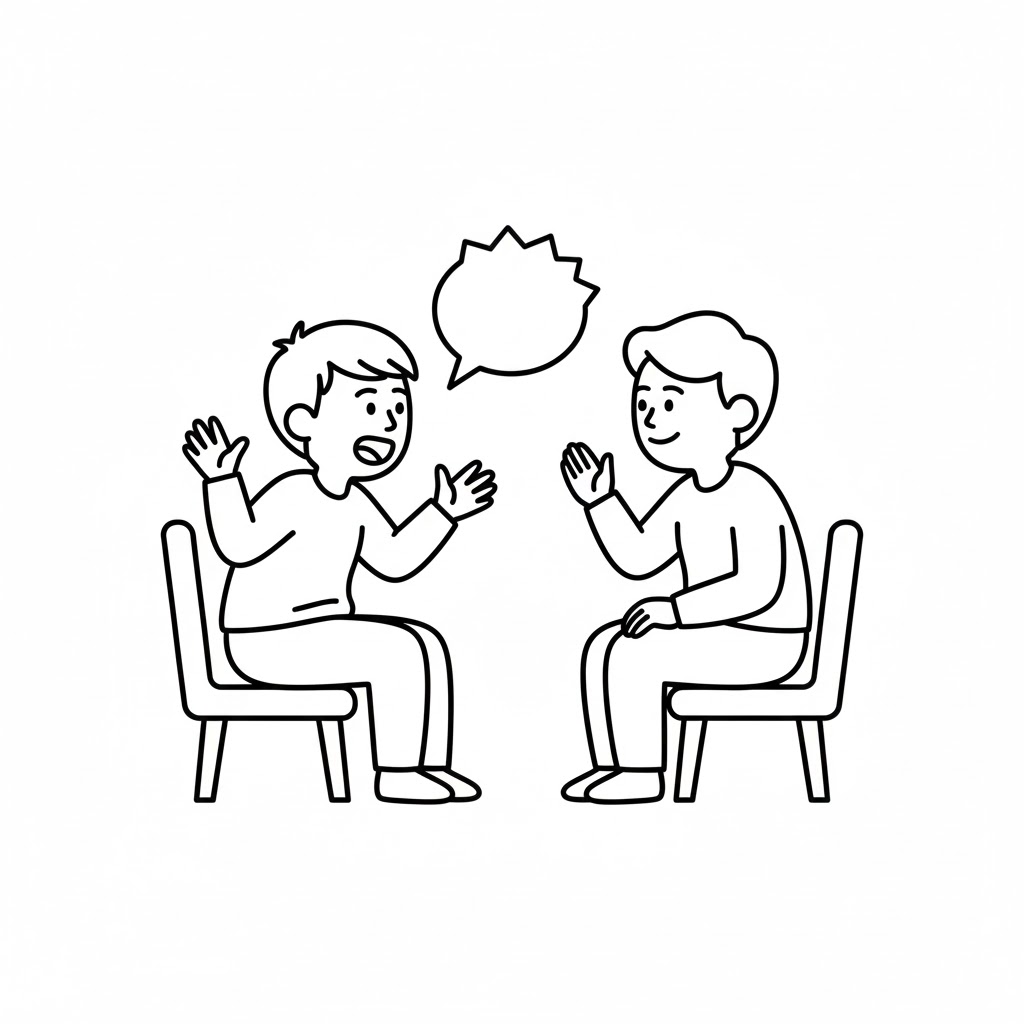
Doesn’t notice when someone looks bored, confused, or upset. Misunderstands jokes, sarcasm, or indirect requests. Often takes things very literally (“break a leg” causes confusion or worry).
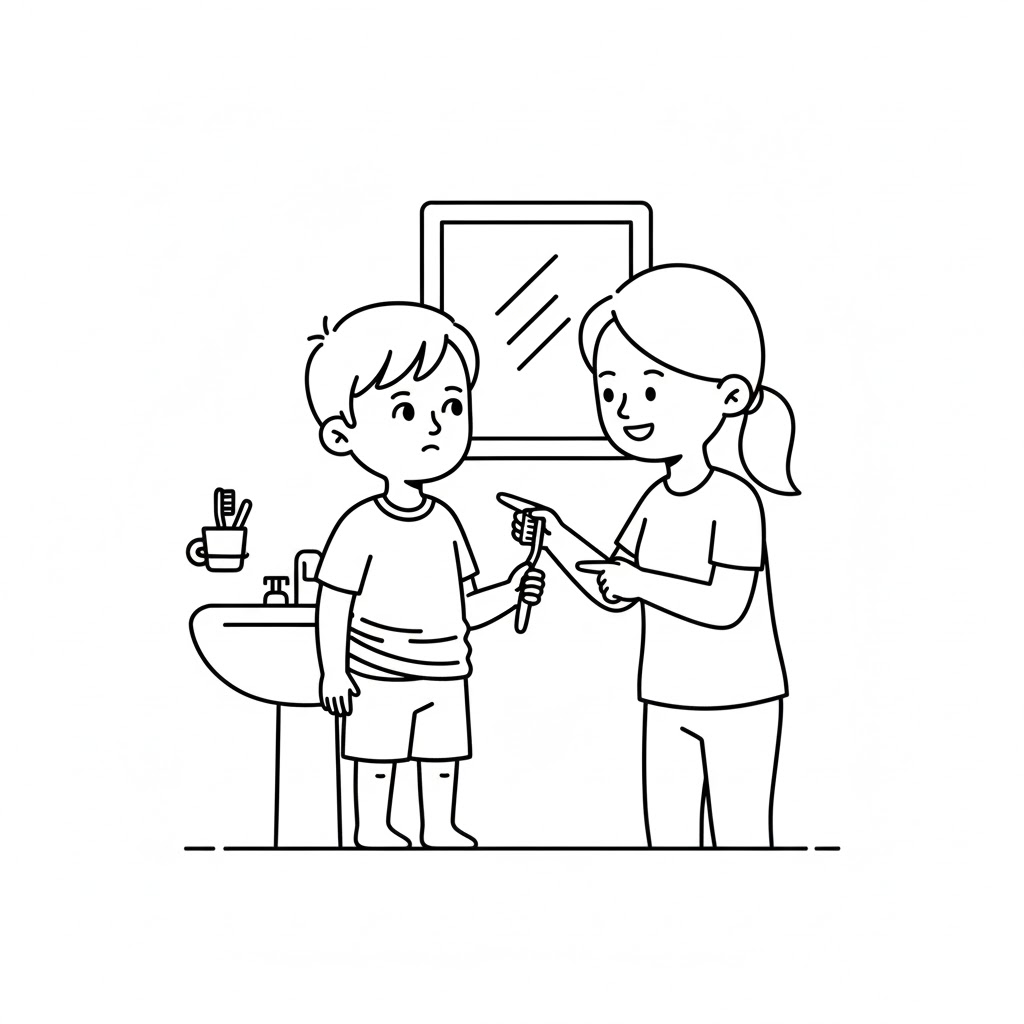
Finds it hard to make or keep friends. May not know how to join group play or conversations. Gets left out because peers feel the child’s responses are “odd” or “off.”

Struggles with group discussions, storytelling, or class participation. Teacher may say: “Very smart, but doesn’t get social rules.” Difficulty explaining ideas clearly to others.

Communication is more than words — it’s about connection. Through Jeevashakthi, we integrate speech therapy, social skills training, Ayurveda for emotional regulation, counseling, and technology-driven practice tools. Our holistic care helps children build friendships, express themselves, and engage meaningfully with others.
 Speech & Language Therapy
Focused on pragmatic language skills, conversational turn-taking, storytelling, understanding idioms, and nonverbal communication.
Social Skills Training
Structured programs to practice peer interactions, perspective-taking, understanding social cues, and maintaining relationships.
Cognitive-Behavioral Therapy (CBT)
Helps manage anxiety, frustration, or social avoidance related to communication difficulties.
Group Therapy / Peer Interaction Programs
Guided social interaction in small groups to practice real-life social scenarios safely.
Play-Based Therapy
Using structured play to develop conversational skills, cooperation, and problem-solving in social contexts.
Parent-Mediated Training
Coaching parents to reinforce social communication skills at home and in community settings.
AI-Based Tools / Interactive Apps
For practicing pragmatic communication, turn-taking, and understanding social rules in a gamified format.
Modern Medicine Integration
Evidence-based assessments to differentiate SPCD from autism spectrum disorder, ADHD, or other communication disorders.
Ayurveda
Natural support to reduce anxiety, improve attention, and support social engagement.
Family Training & Support
Guidance for parents to model and encourage appropriate social communication, support peer relationships, and reinforce therapy strategies.
Long-Term Care
Ongoing support for conversational skills, social confidence, and successful peer interactions across school, home, and community settings.
Signs usually appear in early childhood when children start interacting with peers and participating in group activities. Difficulties may include trouble joining conversations, understanding social rules, or responding appropriately to peers.
Children may struggle with group discussions, storytelling, class participation, following instructions, or understanding the teacher’s expectations. They may be labeled as “smart but socially awkward.”
Yes. Difficulty interpreting social cues and maintaining conversations can make it hard to form or keep friendships. Children may get left out or misinterpreted by peers, affecting social confidence.
Yes. Structured therapies such as speech and language therapy, social skills training, play-based therapy, cognitive-behavioral therapy, and parent-mediated coaching can significantly improve social communication, peer interactions, and confidence.
Parents can model conversational skills, practice role-playing social situations, reinforce therapy exercises, provide positive feedback, and encourage participation in group activities or safe peer interactions to build confidence and competence.
Not exactly. They both involve social struggles, but SPCD is specifically about how a child uses language. Kids with SPCD usually don't have the repetitive movements or the very narrow, intense interests that you often see with autism.
Every child moves at their own pace. Most parents notice that their child starts adjusting and having small social wins within the first few weeks. Bigger changes in how they talk and play usually happen over a few months of steady work.
Yes, absolutely. Our whole goal is to give them the skills they need to succeed in a normal classroom. We focus on the social tools they need to handle a busy school day.
It is incredibly draining for a parent when their child speaks clearly yet somehow keeps missing the flow of a conversation. This is the core of Social Pragmatic Communication Disorder (SPCD). It isn't a problem with vocabulary or grammar. It’s about a child not knowing how to use the words they already have to actually connect with the people around them. They might talk at you rather than with you, or completely miss the point of a joke, a sarcastic comment, or a simple shift in body language. At Jeevaniyam Medipolis, we provide specialized social communication disorder treatment. We bridge the gap between ancient Ayurvedic wisdom and the latest in modern rehab to help kids finally find their true voice in a social world.
To understand it better, think of SPCD as a struggle with the social side of language. A child may know many words but may struggle with how to use them in real conversations. They might be a genius at spelling, but they can’t figure out how to take turns during a chat, change their tone for different people, or realize that a raised eyebrow means someone is surprised. It’s about the rhythm of talking, not just the words being said.
At Jeevaniyam Medipolis, we provide expert and compassionate Social Communication Disorder treatment in Kochi, Kerala, helping children and adults develop meaningful communication skills, build social connections, and navigate everyday interactions with greater confidence and ease.
Scientists are still trying to figure out the exact cause, but it usually involves several factors. Genetics plays a significant role, as communication struggles often run in families. There are also neurodevelopmental aspects to the condition, where the brain processes social cues differently. Sometimes, early developmental delays or the environment can influence how a child learns to navigate the complex nature of human interaction.
In addition to these factors, differences in early language exposure may affect how communication skills develop. Some children may take longer to connect words with their social meanings. In other cases, subtle challenges in attention or processing speed can impact how quickly they respond in conversations. Early life stressors or limited opportunities for social interaction may also shape communication patterns over time.
Usually, parents are the first ones to feel that something is off. These signs may show up slowly in everyday situations like home, school, or playtime. It is often more about social understanding than speech itself. You might see your child:
Early diagnosis is the single most important factor in the success of social pragmatic communication disorder treatment in Kochi, Kerala.
At Jeevaniyam Medipolis, our approach is all about holistic healing. We combine Ayurveda with advanced therapies that are built around each child's specific personality and needs. We don’t believe in a singular standard approach because every child’s brain is its own unique system.
We do things differently here. We combine classical Ayurvedic treatments, which focus on calming a stressed nervous system, with evidence-based modern therapies. By bringing together speech therapy, occupational therapy, and behavioral support, we create a full 360-degree healing environment. We treat the biological root while teaching the practical social skills your child needs to survive and succeed in daily life. This is about using natural oils and sensory work to ground the child’s energy. When the body feels stable and calm, the mind becomes much more open to learning how to navigate a conversation. Here, we are essentially building a solid foundation so the social skills actually last in the long run.
Before we even start, every child goes through a deep, hands-on assessment. We look at their age, how big the communication gaps are, and what their specific family goals look like. No two kids at Jeevaniyam ever get the same plan. We build our protocols around the human being, not just a label on a chart, making sure the therapy changes as the child grows. We know that a strategy that works on monday might need an adjustment by Friday as your child discovers new ways to express themselves. Our team stays incredibly flexible, constantly talking to parents to see what’s working at the dinner table or on the playground. This feedback loop is exactly what helps us turn small clinical improvements into life-changing social victories.
Navigating the world of developmental therapy can feel overwhelming for any parent, but having a clear map makes the journey much more manageable. We have carefully curated a suite of interventions that target the brain from multiple angles, ensuring that every sensory and social hurdle is addressed with professional expertise. As an advanced child development centre in Kochi, we offer a full range of help:
We believe in providing clear, concrete proof that the work we are doing in the clinic is translating into real-life changes at home. By keeping a close eye on these specific developmental milestones, we ensure that every session is intentionally moving your child toward a more independent future. We look for:
At the end of the day, our goal is to see these skills become a natural part of who your child is, rather than something they have to perform. Seeing a child finally feel at ease in a group of peers is the ultimate reward for the work we do together. We stay committed to this heart-centered approach until you feel completely confident in your child’s ability to navigate their world.
At Jeevaniyam Medipolis, we believe every child has the ability to grow, learn, and succeed when given the right support and understanding. Our care goes beyond treatment and focuses on building trust, confidence, and steady progress for both children and parents. We work closely with families throughout the journey, offering practical, compassionate, and consistent guidance. With a calm environment, dedicated professionals, and a personalized approach, we help each child progress at their pace. Our goal is not just improvement in therapy sessions but meaningful development that reflects in everyday life at home, in school, and in social situations. We are here to support your child’s growth in a way that is respectful, balanced, and lasting.
Is your child struggling to make friends, hold conversations, or understand social cues? Don't wait early intervention can transform the way your child communicates and connects with the world. Contact Jeevaniyam Medipolis today for the most trusted social pragmatic communication disorder treatment in Kochi, Kerala because every individual deserves to be heard, understood, and included.


 About Us