



P.L.A.Y (Pretend Learn Adapt Yourself ) is a dynamic pretend play space where children explore real-life activities in a safe, playful, and engaging environment. Designed for children of all abilities, including those with developmental differences, P.L.A.Y transforms everyday learning into an exciting adventure that builds confidence, independence, and essential life skills.
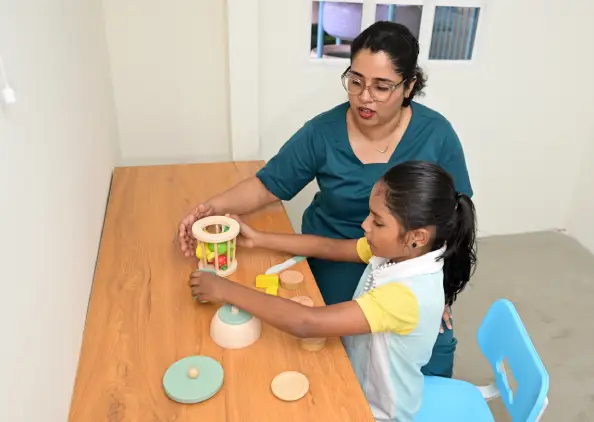
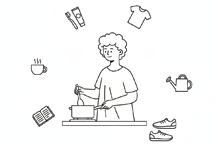
Cook, clean, dress, and shop through exciting role-play scenarios that mirror real-life experiences.
Pretend challenges help children develop adaptability, decision-making, and confidence.
Teamwork, sharing, communication, empathy, and cooperation develop naturally through guided play.
Pretend play encourages storytelling, imaginative thinking, and creative exploration.
Children practice completing tasks on their own, fostering self-reliance in everyday situations.
Activities engage multiple senses while enhancing attention, memory, and critical thinking.
Every space is thoughtfully designed for exploration, learning, and joy—at each child’s own pace.
Learning through play keeps children motivated, curious, and eager to try new experiences.
 Children of all abilities who enjoy learning through pretend and role play
 Children with developmental differences such as Autism Spectrum Disorder, ADHD, Intellectual Disabilities, or Speech and Language Delays
 Young learners needing support in social skills, communication, and daily life skills
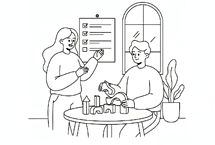 Children who benefit from structured, hands-on, play-based learning experiences
At Jeevaniyam Medipolis, we provide play therapy treatment for children who may need support with communication, emotional expression, behaviour, social interaction, sensory comfort, and everyday confidence. As a play therapy centre in Kochi, Kerala, we work with children to understand them through the way that they naturally express themselves: play, imagination, movement, stories, role-play, and guided interaction. For many children, especially those with developmental or emotional concerns, expressing feelings through direct conversation can be difficult. Play creates a safer and more comfortable space where trained professionals can observe, understand, and gently guide the child.
Play therapy is a structured therapeutic approach that uses play as a child’s natural language of communication. Children, particularly those ages 3 to 12, may not always possess the language to explain fear, sadness, anger, confusion, stress, or discomfort. They are provided with a more comfortable means of expressing thoughts and feelings through toys, drawing, pretend play, puppets, storytelling, sand play, and creative activities.
In a play therapy centre in Kochi, Kerala, play is not considered mere entertainment. It is transformed into a designed treatment process under the guidance of trained professionals. The therapist notices how the child selects toys, reacts to rules, interacts with people, copes with change, displays emotions, and solves minor problems in the process of play. These observations enable the therapist to know the emotional and developmental needs of the child and to plan appropriate support for the child in communication, emotional regulation, behaviour, social participation and confidence.
The play therapy can be structured in various forms based on the age, emotional requirements, communication skills, and objectives of the therapy. There are child-led sessions, and others are mildly directed by the therapist. The structure is chosen after understanding the child’s comfort, response, developmental needs, and therapy goals.
Children choose their own toys or activities without any pressure so that they can freely express their emotions.
The therapist uses selected games, stories, role-play tasks or activities to work on specific behavioural, attention, communication or emotional goals.
Play is combined with simple coping strategies so children can gradually understand worries, fears, thoughts, and reactions.
Parents are guided to participate in therapeutic play that strengthens bonding, trust, and emotional connection at home.
Sand trays, drawing, music, movement, puppets, dolls and storytelling provide children with creative means to express what they may not say directly.
A real-life situation plays out through play and helps children practice routines, social responses, emotional expression, and problem-solving.
Play therapy provides children with a safe and natural means to express themselves, gain confidence, and learn healthier responses in the long run. Rather than making children explain what they feel face-to-face, it uses play as their language of comfort. In a play therapy centre in Kochi, Kerala, this practice is employed to help in the development of emotional, social, behavioural, and communication skills.
When words seem difficult, children get a safe channel to express fear, anger, sadness, worry or confusion.
The interaction based on play allows the encouragement of gestures, sounds, words, eye contact, expressions, and social responses in a natural environment.
Guided activities introduce limits, turn-taking, waiting, simple rules, and better ways of responding to frustration.
Interactive play provides children with the ability to practice sharing, cooperation, listening, interaction with peers, and group participation.
As the children feel at ease, accepted, and understood, they become, little by little, more willing to try, explore and participate.
Through games and role-playing, the child gets an opportunity to think critically, make decisions, respond, and complete small tasks.
Therapist assistance helps parents understand their child’s feelings, triggers, strengths and what they need day to day for support.
The play therapy treatment can be considered for those children who have emotional, behavioural, social, developmental, and adjustment-related issues. It is particularly handy when a child struggles to articulate feelings, fears, or responses by talking directly. In Jeevaniyam Medipolis, every therapy plan is drawn up after proper evaluation.
Autism Spectrum Disorder
In ASD, Sessions focus on social engagement, emotional expression, flexible responses, communication attempts, and meaningful play interaction.
The work on attention, impulse control, waiting, turn-taking, and frustration tolerance is done with the help of structured activities.
Interaction through play promotes gestures, sounds, words, expressions, eye contact, and shared attention in a natural environment.
Anxiety and Fear
Children receive a safe environment to voice concerns, experiment, and gradually develop responses to cope with anxiety at their pace.
Behavioural Concerns
The therapist monitors behavioural patterns like aggression, tantrums, withdrawal, defiance or difficulty based on routine and plans appropriate interventions.
Trauma, Grief and Stress
Creative play, storytelling and symbolic activities enable children to communicate painful experiences without being pushed into direct explanation.
Learning and Developmental Difficulties
The selection of activities is based on the need to work on attention, participation, interaction, confidence, and adaptive responses.
Difficulties in Social Skills
Guided play provides children with opportunities to practice sharing, waiting, cooperation, listening and peer interaction.
Medical or Hospital-Related Stress
Play-based sessions provide a relaxed environment for children with fear, discomfort or anxiety about treatment or medical events.
In Jeevaniyam Medipolis - an advanced child development centre in Kochi, the play therapy treatment starts with a keen insight into the developmental stage of the child, the style of communication, emotional reactions, sensory needs, behaviour patterns, and family environment. This can assist our team to plan sessions that seem safe, supportive and appropriate to the needs of the child.
As a play therapy centre in Kochi, Kerala, we use play-based activities (pretend play, storytelling, role-play, art, movement, sensory activities, and guided parent-child interaction). Depending on the comfort and objectives of the child, the sessions can be either therapist-based or child-based.
Parents also receive practical ways of supporting communication, routines, behaviour and emotional expression at home. The review of progress is so gentle, and the therapy plan is altered according to the response of the child.
1. What's the right age for play therapy?
Play therapy is often used with children between the ages of 3 and 12. However, whether it is right will depend on the child’s developmental level, ability to communicate, emotional needs and the concern being addressed.
2. How is play therapy different from normal play?
Normal play is primarily for enjoyment; play therapy includes therapeutic objectives. Play is a way that a qualified therapist uses to assess a child’s emotions, behaviour, communication style and developmental needs.
3. Can Play Therapy Help Children With Autism or ADHD?
Structured play-based sessions may be helpful for children with autism, ADHD or associated developmental problems. The focus is mainly on communication, social interaction, attention, emotional expression and regulation of behavior.
4. How many sessions will my child need?
The number of sessions will be determined by the child’s needs, comfort level, therapeutic goals, and reaction to intervention. Following the assessment, the therapist can help parents navigate a suitable therapy plan.
5. Why Jeevaniyam for the treatment of play therapy?
Jeevaniyam provides child-centred care with skilled experts, planned structured therapy, parent guidance and an integrated healthcare setting. As a play therapy centre in Kochi, Kerala, our mission is to make children feel safe, understood and supported via personalized care.


 About Us