Picture26.jpg
29/Nov/2024

Angelman Syndrome: Symptoms, Causes & Diagnosis Explained

Angelman Syndrome is a rare genetic disorder that primarily affects the nervous system. It causes developmental delays, movement or balance problems, and intellectual disability. Children with Angelman Syndrome often display unique behavioral traits, and though it can be challenging for both the individuals and their families, with proper care and support, people with this condition can live fulfilling lives.

1. What Causes Angelman Syndrome?

Angelman Syndrome is caused by a genetic mutation on chromosome 15. More specifically, it occurs when the UBE3A gene, which is responsible for making a protein that regulates brain development, is either missing or not functioning properly. This gene is inherited from the mother, and if the copy from the mother is defective, the syndrome develops.

In most cases, Angelman Syndrome is not inherited but occurs due to spontaneous mutations. However, in some rare cases, it may be inherited due to a condition known as deletion or mutation of the gene on chromosome 15.

2. Common Symptoms of Angelman Syndrome

The symptoms of Angelman Syndrome vary from person to person, but there are common characteristics and behaviors that help doctors diagnose the condition.

Physical Symptoms:

  • Delayed Development: Most children with Angelman Syndrome show delayed developmental milestones such as walking, talking, or motor skills.
  • Movement and Balance Issues: Individuals may have difficulty with coordination, balance, and walking. This is often described as ataxia, leading to jerky or unsteady movements.
  • Seizures: Seizures are common in people with Angelman Syndrome and often begin in early childhood.

Behavioral Symptoms:

  • Happy, Excitable Behavior: A characteristic feature of the syndrome is a frequent, apparent happy demeanor. A person with Angelman Syndrome might laugh or smile frequently, even without an obvious cause.
  • Short Attention Span: People with the syndrome often have difficulty focusing or maintaining attention.
  • Nonverbal Communication: Many individuals with Angelman Syndrome are nonverbal, though some can communicate using gestures, signs, or communication devices.

Cognitive Symptoms:

  • Intellectual Disabilities: Individuals typically have moderate to severe intellectual disability, though the extent can vary.
  • Speech Delays: Most children with Angelman Syndrome do not develop verbal speech, but they may communicate through other means, such as sign language or augmentative communication tools.

How is Angelman Syndrome Diagnosed?

The diagnosis of Angelman Syndrome is often made based on physical, behavioral, and developmental observations, but genetic testing is required for confirmation.

  • Clinical Evaluation: A doctor will review the child’s developmental history, medical symptoms, and family history to suspect Angelman Syndrome.
  • Genetic Testing: The definitive test is genetic analysis, usually a blood test, to look for mutations or deletions in the UBE3A gene on chromosome 15.
  • Other Tests: Sometimes, additional tests like brain imaging, EEG (electroencephalogram) to monitor for seizures, or developmental assessments may be performed to support the diagnosis.

If you suspect your child may have Angelman Syndrome or any other developmental disorder, Jeevaniyam Hospital offers comprehensive diagnostic services and treatment options. Their team of expert doctors, genetic counselors, and therapists can provide the support and care your family needs.

Jeevaniyam Hospital is equipped with advanced technology for genetic testing, physical and speech therapy, and personalized care plans. We are committed to helping families navigate the complexities of conditions like Angelman Syndrome, ensuring that every child receives the best care possible. Visit Jeevaniyam Hospital for a consultation and take the first step toward providing the right care for your child’s health and development.


WhatsApp-Image-2024-11-26-at-12.26.47-PM-1200x798.jpeg
26/Nov/2024

Lifestyle Choices & Their Impact on Congenital Anomalies in Newborns

Congenital anomalies, or birth defects, are structural or functional abnormalities that occur during pregnancy. These conditions can vary from mild to severe, and in many cases, lifestyle choices during pregnancy play a significant role in determining the risk of these anomalies. Understanding how daily habits impact fetal development is key for expecting parents to make informed decisions.

1. Nutrition and Its Role

What a mother eats during pregnancy directly affects the baby’s health. A balanced diet rich in vitamins and minerals promotes proper fetal development, while poor nutrition can increase the risk of birth defects.

  • Folic acid is especially important in early pregnancy. It reduces the risk of neural tube defects such as spina bifida and anencephaly. Foods like leafy greens, citrus fruits, and fortified cereals are excellent sources.
  • Avoiding junk food helps prevent excessive weight gain, which can lead to complications like gestational diabetes that may affect the baby.
  • Adequate hydration is essential for maintaining amniotic fluid levels and supporting the baby’s kidney and bladder development.

2. Smoking and Alcohol Consumption

Smoking and drinking alcohol during pregnancy can lead to serious complications for both the mother and baby.

  • Smoking introduces harmful chemicals like nicotine and carbon monoxide into the bloodstream, restricting oxygen flow to the baby. This can result in low birth weight, premature birth, and congenital heart defects.
  • Alcohol can cause fetal alcohol spectrum disorders (FASDs), which affect brain development, leading to developmental delays, learning difficulties, and behavioral problems.

 3. Exercise and Physical Activity

Staying active during pregnancy can benefit both the mother and baby, but overexertion or a lack of physical activity can be harmful.

  • Moderate exercise improves circulation, reduces stress, and helps control weight gain, lowering the risk of high blood pressure and gestational diabetes.

However, excessive physical strain or activities with a high risk of injury, such as contact sports, should be avoided to prevent harm to the fetus.

4. Avoiding Environmental Toxins

Exposure to environmental toxins, chemicals, and pollutants can increase the risk of congenital anomalies.

  • Chemical exposure from household cleaning products, pesticides, or industrial pollutants can disrupt fetal development, especially during the early weeks of pregnancy.
  • Avoiding x-rays or excessive radiation exposure is important, as these can damage the baby’s cells and lead to birth defects.

5. Managing Stress and Mental Health

Chronic stress and untreated mental health issues can affect the developing fetus.

  • High levels of stress can cause the body to release hormones that may increase the risk of preterm labor and low birth weight.
  • Seeking support for mental health concerns, practicing relaxation techniques like meditation, and maintaining a healthy sleep schedule can help reduce stress and improve overall pregnancy health.

6. Medical Care and Prenatal Visits

Regular prenatal check-ups are essential for monitoring the baby’s development and catching potential issues early.

  • Routine screenings such as blood tests, ultrasounds, and genetic testing can detect congenital anomalies before birth, allowing for early intervention.
  • Managing chronic conditions like diabetes, hypertension, and thyroid issues is vital. Proper treatment and regular monitoring reduce the risk of complications.

If you’re expecting and want expert guidance on maintaining a healthy pregnancy, Jeevaniyam Hospital offers comprehensive prenatal care. With a team of experienced obstetricians, gynecologists, and support staff, they provide personalized care to ensure a healthy pregnancy and delivery. Visit Jeevaniyam Hospital today and take the first step toward a healthy future for you and your baby


WhatsApp-Image-2024-08-30-at-10.50.05-AM.jpeg
30/Aug/2024

Why Speech and Music Therapy Matter?

As a parent or caretaker of a child with autism, you’re always looking for ways to support their development. Speech and music therapy can significantly affect your child’s communication and social skills. These therapies offer a powerful, holistic approach that can enhance your child’s ability to express themselves and connect with others.

The Benefits of Speech Therapy

Speech therapy focuses on improving your child’s communication skills. This can include both verbal and non-verbal communication. A speech therapist works with your child to develop language skills, improve pronunciation, and understand social cues. Your child can better express their needs and emotions by enhancing these abilities. This leads to more meaningful interactions with family, friends, and teachers.

How Music Therapy Supports Communication

Music therapy is not just about playing instruments or singing songs. It uses music to connect with your child emotionally and cognitively. Music can stimulate parts of the brain involved in speech and language. For children with autism, music therapy can help improve rhythm, listening skills, and the ability to follow directions. It can also reduce anxiety and create a positive learning environment.

The Power of Combining Both Therapies

When you combine speech and music therapy, you create a comprehensive approach to your child’s development. Music can make speech therapy more engaging and enjoyable. For example, using songs to teach new words or phrases can help your child remember and use them more effectively. The rhythmic patterns in music can also help improve speech timing and flow, making it easier for your child to communicate.

A Holistic Approach at Jeevaniyam Ayurveda Hospital

At Jeevaniyam Ayurveda Hospital, we understand the importance of a holistic approach to managing autism. By integrating speech and music therapy, we provide your child with a unique and supportive environment. Our therapists work closely with you to create a personalized plan that meets your child’s needs. This combination of therapies enhances communication skills and supports emotional and social development.

Combining speech and music therapy offers a holistic approach to helping your autistic child thrive. At Jeevaniyam Ayurveda Hospital, we believe in integrating different therapies to support your child’s unique journey. With our personalized approach, your child can develop the communication skills to express themselves and connect with the world around them.


WhatsApp-Image-2024-08-26-at-12.59.32-PM-1200x672.jpeg
26/Aug/2024

Why Routine Matters in Autism?

As a parent or caretaker of a child with autism, you know how important structure is in their daily life. Routine provides a sense of security and helps reduce anxiety. Children with autism often thrive when they know what to expect. A consistent routine helps them navigate their day with confidence and ease.

How Routine Reduces Anxiety

Many children with autism experience anxiety when faced with unexpected changes. A well-established routine can minimize this anxiety. When your child knows what comes next, they feel more in control and less overwhelmed. This sense of predictability can lead to fewer meltdowns and a more peaceful environment for you and your child.

Supporting Learning and Development

A daily routine can also support your child’s learning and development. Repeating activities at the same time each day helps reinforce skills. For example, if you dedicate a specific time each day to reading or playing educational games, your child will likely show improvement in these areas over time. Consistency is key to helping your child absorb new information and build on their strengths.

Building Independence

Routines also play a crucial role in helping your child build independence. Following a routine teaches your child to anticipate what needs to be done next. This can encourage them to take on small tasks like brushing their teeth or getting dressed. As they become more comfortable with these tasks, their confidence grows, and they start to take on more responsibilities.

Managing Transitions

Transitions between activities can be challenging for children with autism. A clear routine helps manage these transitions more smoothly. You can prepare your child for what’s coming next using visual schedules or verbal cues. For instance, giving a five-minute warning before moving from playtime to dinner can help ease the transition. Over time, these strategies can help your child handle changes with less stress.


Routine is not just about keeping a schedule. It’s about creating a supportive environment where your child can thrive. At Jeevaniyum Ayurveda Hospital, we understand the importance of routine in managing autism. Our holistic approach combines Ayurvedic principles with modern practices, helping you establish routines that support your child’s unique needs. By embracing routine, you can help your child feel more secure, build independence, and make progress in their development.


WhatsApp-Image-2024-08-20-at-11.47.22-AM-1-1.jpeg
20/Aug/2024

Understanding Autism Treatment: Myths vs. Facts

As a parent or caretaker of a child with autism, you want to explore every option to support your child’s development. However, misinformation about autism treatment can create confusion and unnecessary stress. Let’s clear up some common myths about autism treatment so you can make informed decisions.

Myth 1: There Is a Cure for Autism

One of the most widespread myths is that autism can be cured. This idea can lead to false hope and frustration. Autism is not something that can be cured; it is a condition. Instead of looking for a cure, focus on therapies and interventions that help your child develop important skills and improve their quality of life. With the right support, your child can thrive.

Myth 2: All Children with Autism Should Follow the Same Treatment Plan

Every child with autism is unique, and so are their needs. There is no one-size-fits-all treatment plan. Some children may benefit from behavioral therapy, while others might respond well to speech therapy, occupational therapy, or a combination of different approaches. Working with professionals who can tailor a plan specifically for your child and addressing their strengths and challenges is important.

Myth 3: Alternative Therapies Are Always Better

You may hear about alternative treatments that promise quick results, but not all are effective or safe. Some alternative therapies, like special diets or supplements, lack scientific evidence and can even be harmful. Always consult with your child’s healthcare provider before trying any new treatment. It’s essential to rely on therapies backed by proven safe and effective research.


Myth 4: Medications Can Fix All Autism-Related Issues

Medications can help manage certain symptoms of autism, such as anxiety or hyperactivity, but they are not a solution for everything. Medications should be used as part of a comprehensive treatment plan that includes behavioral therapies and other interventions. Remember, medication is not a cure for autism and should be considered carefully with your healthcare provider.


Myth 5: Once Treatment Starts, Progress Will Be Immediate

It’s natural to want to see quick progress once your child starts treatment. However, treatment for autism often requires time and patience. Progress can be slow and may come in small steps. Celebrate these small victories, and remember that consistency and ongoing support are key to helping your child grow and develop.


Understanding the facts about autism treatment will empower you to make the best choices for your child. Avoid falling for myths that promise easy fixes or quick cures. Instead, focus on evidence-based therapies tailored to your child’s needs. With the right approach, your child can make meaningful progress and live a fulfilling life.


WhatsApp-Image-2024-08-12-at-11.41.32-AM-1.jpeg
12/Aug/2024

Nutrition and Autism

Do you know that nutrition plays a crucial role in managing autism? The foods you eat can impact your overall health and well-being, especially if you’re living with autism. Autism is a complex condition, and managing it requires a holistic approach. One significant aspect of this approach is focusing on the right nutrition.

The Impact of Diet on Autism

Your diet can influence your behavior, mood, and even sleep patterns. For someone with autism, certain foods might trigger negative reactions. Some individuals with autism are sensitive to gluten and casein, which are found in many common foods. These sensitivities can lead to discomfort and may worsen symptoms. Avoiding these foods can reduce these negative reactions and improve overall well-being.

The Benefits of a Balanced Diet

Eating a balanced diet rich in fruits, vegetables, and whole grains can provide essential nutrients. These nutrients support brain function, improve digestion, and boost energy levels. Omega-3 fatty acids in fish and nuts are known to support brain health. For individuals with autism, a diet that includes these foods can make a positive difference in managing symptoms.

The Role of Ayurveda in Nutrition

Ayurveda is an ancient system of medicine that focuses on balance. It believes each person has a unique constitution, and your diet should match your needs. Ayurveda recommends a diet that calms the mind and nourishes the body to manage autism. This might include warm, cooked foods that are easy to digest. Herbs like Brahmi and Ashwagandha also support mental health and reduce stress.

The Holistic Approach at Jeevaniyum Ayurveda Hospital

At Jeevaniyum Ayurveda Hospital, we focus on providing a holistic approach to managing autism. We combine the wisdom of Ayurveda with modern medical practices. Our team at Jeevaniyum understands that nutrition is a key part of managing autism and offers personalized dietary plans. Our plans are designed to support your overall health while specifically targeting the symptoms of autism.

By focusing on a balanced diet and incorporating Ayurvedic principles, Jeevaniyum Ayurveda Hospital helps you manage autism in a way that promotes long-term well-being. Our holistic approach ensures that you receive comprehensive care, addressing both the physical and mental aspects of autism.

Understanding the role of nutrition in managing autism is the first step toward better health. At Jeevaniyum Ayurveda Hospital, you can find the support to make positive changes in your diet and lifestyle.


WhatsApp-Image-2024-06-04-at-16.21.16_8d2466f3-1200x898.jpg
04/Jun/2024

Thriving Beyond Labels: High-Functioning Autism Perspectives

High functioning autism is a term used to describe individuals on the autism spectrum who possess strong cognitive abilities and communication skills, allowing them to live relatively independently. However, it’s essential to recognize that autism is a spectrum disorder, and functioning levels can vary widely among individuals. The term itself can be misleading and fails to capture the complexities and challenges that individuals with autism may experience in various aspects of their lives.

Contrary to stereotypes, individuals with high-functioning autism can lead fulfilling lives and establish meaningful relationships with others. While they may face social and communication challenges, they often develop coping mechanisms and strategies to navigate social interactions effectively.  Individuals with high-functioning autism possess a diverse range of skills and talents that make them valuable contributors to the workforce. They can excel in fields such as technology, engineering, mathematics, research, creative arts, and more. Employers can tap into their strengths, such as attention to detail, problem-solving abilities, and specialized interests, by providing inclusive work environments and accommodations tailored to their needs.

 While finding employment opportunities is crucial, individuals with high-functioning autism also benefit from guidance and support in navigating their career paths. Career counseling, vocational training programs, and mentorship initiatives can help them identify their interests, set realistic goals, and develop the necessary skills to pursue their chosen careers. By leveraging their strengths and passions, they can carve out fulfilling and meaningful careers that align with their aspirations.

However, what remains true is the potential for all individuals, regardless of labels, to lead fulfilling and meaningful lives. By fostering understanding, providing support, and creating inclusive opportunities, we can empower individuals with autism to thrive, pursue their passions, and contribute their unique talents to society.

Let’s move beyond labels and embrace the richness of neurodiversity in all its forms.


Dance-Therapy-blog-1200x675.webp
02/May/2024

The Healing Power of Dance Therapy

Yesterday was International Dance Day. Beyond its role as entertainment, dance possesses the transformative ability to heal and empower individuals with diverse neurological conditions.

Dance therapy offers a holistic approach to wellness, addressing the physical, emotional, and cognitive aspects of neurodiversity. Through rhythmic movement and expression, individuals can experience a sense of liberation and self-discovery. At Jeevaniyam Ayurveda Hospital, we witness firsthand the positive influence of dance therapy on our children, fostering a deeper connection with themselves and the world around them.

Neurodiversity encompasses a spectrum of neurological differences. Dance therapy provides a safe and inclusive space for individuals of all abilities to explore movement and expression. By engaging the body and mind in synchronized motion, dance promotes sensory integration, emotional regulation, and social interaction.

Dance therapy is often offered to people  grappling with movement, coordination, and balance issues to improve motor skills and proprioception. By engaging in structured movements and exercises, they can enhance their coordination, balance, and spatial awareness. Dance therapy provides a supportive environment  to explore and strengthen their physical abilities, fostering a sense of mastery and confidence in their bodies. Through regular practice and guidance from trained therapists, patients can experience significant improvements in mobility and functional skills, empowering them to navigate daily activities with greater ease and independence.

The vestibular system plays a crucial role in maintaining balance and spatial orientation. In dance therapy, deliberate movements and exercises target vestibular sensory integration enhancing proprioception and coordination. By stimulating the vestibular system through dance, individuals with neurodiversity can improve their sensory processing skills and overall sense of well-being.

Dance therapy is a transformative form of therapy that harnesses the power of movement to promote emotional expression, self-awareness, and social interaction. Through embodied expression, one can explore and release emotions, fostering a deeper connection between the body and mind. Dance therapy provides a nonverbal means of communication, making it accessible to individuals with diverse neurological conditions. Beyond its therapeutic benefits, dance therapy promotes empowerment, self-confidence, and cultural expression, enhancing overall well-being and quality of life. Its holistic approach addresses


blog-aprl-2-1200x675.webp
19/Apr/2024

Illuminating Autism Awareness Day: A Reflection on Rainbow Rhapsody

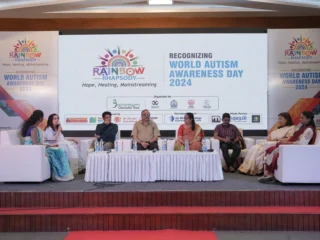
As we commemorate Autism Awareness Day, we are reminded of the profound significance of this observance a day dedicated to raising awareness, understanding, and acceptance of autism spectrum disorder (ASD). At Jeevaniyam Ayurveda Hospital, under the guiding vision of Dr. Reshmi Pramod, we join the global community in recognizing the importance of empowering autistic voices. This year, the theme ‘Empowering Autistic Voices’ resonates deeply with our commitment to provide unwavering support to individuals with ASD, enabling them to thrive and contribute meaningfully to society.

Central to our commemoration is Rainbow Rhapsody—a poignant initiative that extends far beyond a single day’s celebration. Inspired by the vibrant symbolism of the rainbow, embodying hope, beauty, and inclusivity, and enriched by the emotional depth of “rhapsody,” symbolizing a profound artistic expression, Rainbow Rhapsody embodies a journey of understanding and empowerment for autistic individuals.

At its core, Rainbow Rhapsody celebrates the diverse strengths and qualities of each autistic child, rejecting a one-size-fits-all approach in favor of tailored support and intervention. Through sensitizing awareness, diagnosis, therapy, and career development, Rainbow Rhapsody serves as a beacon of hope and progress, nurturing a culture of acceptance and inclusivity.

The success of Rainbow Rhapsody was evident in the vibrant panel discussions and immersive experiences that enriched the day. Parents and community members gained valuable insights into understanding and supporting autistic individuals, discovering the unique talents and evolving potentials of each child. This event marks not the end but the beginning of a continuous journey towards fostering awareness, acceptance, and empowerment.

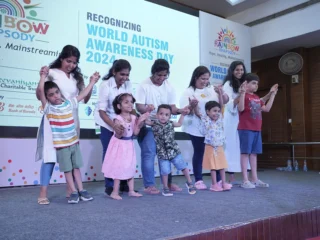
During Rainbow Rhapsody, we were honored to provide a stage for autistic children to showcase their true potential and talents. Through creative expressions, performances, and interactive activities, these remarkable individuals had the opportunity to shine brightly, demonstrating their unique abilities and contributions. By fostering an environment of acceptance and encouragement, we not only celebrated their achievements but also provided invaluable support to help them realize their aspirations and dreams. This empowering experience reaffirms our commitment to nurturing the inherent talents and capabilities of every autistic individual, paving the way for them to achieve their fullest potential and lead fulfilling lives.

As we reflect on Autism Awareness Day and the profound impact of Rainbow Rhapsody, we are reminded of the transformative power of compassion, understanding, and unity. Together, let us continue to champion the rights and dignity of individuals with autism, celebrating their unique voices and contributions to our world.

9 11 2 6 8


positive-parenting-mother-laughing-with-kids-during-crafting-by-DragonImages-istock-min-1-jpg.webp
27/Oct/2023

Proper Parenting: Nurturing Health and Harmony with Ayurveda

Introduction


Parenting is a sacred journey that involves nurturing the physical, emotional, and mental well-being of a child. Ayurveda, an ancient system of holistic healing that originated in India, offers invaluable wisdom for parenting in a way that aligns with the natural rhythms of life. Ayurvedic parenting focuses on creating a harmonious environment that promotes balanced growth, both for the child and the parent. In this blog, we will explore the various aspects of Ayurvedic parenting, including food, yoga, and lifestyle.


Food for Thought: Nourishing Your Child


Ayurveda places significant importance on the quality and quantity of food. Ayurvedic parenting encourages the consumption of fresh, seasonal, and organic foods. Here are some key principles:


  1. Dosha Balancing  Ayurveda categorises individuals into three primary doshas – Vata, Pitta, and Kapha. Understanding your child’s dosha can help tailor their diet to maintain balance. For instance, a Vata child may benefit from warm, grounding foods, while a Pitta child should consume cooling and soothing foods.


  1. Balanced Meals  Ensure a balanced diet comprising all six tastes: sweet, sour, salty, pungent, bitter, and astringent. This ensures that all aspects of the child’s constitution are addressed.


  1. Homemade and Fresh: Avoid processed foods, preservatives, and excessive sugar. Homemade meals, freshly cooked with love, are the best choice for your child’s well-being.


  1. Digestive Health: Promote healthy digestion with warm ginger teas, fennel, and cumin seeds. Pay attention to regular meal times and avoid overeating.


Yoga: A Mind-Body Connection


Yoga is not just an exercise routine; it’s a way of life in Ayurvedic parenting. Introducing your child to yoga at an early age can offer them numerous benefits:


  1. Physical Health: Yoga postures (asanas) help improve flexibility, strength, and balance. They also promote better posture and bone health.


  1. Mental Well-being: Teaching your child mindfulness and meditation techniques can help them manage stress and develop emotional resilience.


  1. Breathing Exercises Pranayama, or breath control, helps children regulate their energy and calm their minds. It’s a valuable tool for managing anxiety and enhancing focus.


  1. Balancing Energy Just as in diet, understanding your child’s dosha can help tailor the type of yoga practice that suits them best.


Ayurvedic Lifestyle: Holistic Living


Ayurveda is not just about what you eat but also how you live. Embrace an Ayurvedic lifestyle to create a nurturing environment for your child:


  1. Daily Routines (Dinacharya): Encourage your child to follow daily routines that align with the body’s natural circadian rhythms. This includes waking up early, regular mealtimes, and getting adequate rest.


  1. Emotional Well-being Teach your child the importance of emotional balance and maintaining positive relationships. Ayurveda values emotional health as much as physical health.


  1. Minimalism Keep the living space clutter-free, organized, and aesthetically pleasing. A harmonious environment promotes a peaceful mind.


  1. Nature Connection Spend time in nature with your child. Nature has a healing and balancing effect on all doshas.


Conclusion


Ayurvedic parenting is a holistic approach that emphasizes balance, harmony, and a deep connection to nature. By integrating principles of Ayurveda, such as conscious food choices, yoga, and an Ayurvedic lifestyle, parents can create an environment that supports their child’s physical, emotional, and mental well-being. Embracing these practices not only nurtures the child but also strengthens the bond between parent and child, making the parenting journey more fulfilling and enriching.


In the quest for Ayurvedic parenting, it’s advisable to consider consulting an Ayurvedic lifestyle practitioner. They can provide personalized guidance and recommendations based on your child’s unique constitution and health needs. Their expertise can further enhance your parenting journey, ensuring that you provide the best environment for your child’s growth and well-being, both physically and emotionally.


Copyright by Jeevaniyam Ayurveda Hospital. 2024. All rights reserved.

loader